Search Your Test



Thyroid Disorder Testing | Hyperthyroidism Guide
Hyperthyroidism testing helps identify overactive thyroid symptoms, hormone imbalance, and thyroid health problems early. Hyperthyroidism testing is commonly used to measure thyroid hormone levels, monitor symptoms, and support better thyroid health management.
Additionally, hyperthyroidism testing may help detect rapid heartbeat, anxiety, fatigue, metabolism changes, and unexplained weight loss. Therefore, early hyperthyroidism testing can support faster diagnosis, treatment, and long-term thyroid wellness.
What is the Thyroid and How Does it Work?
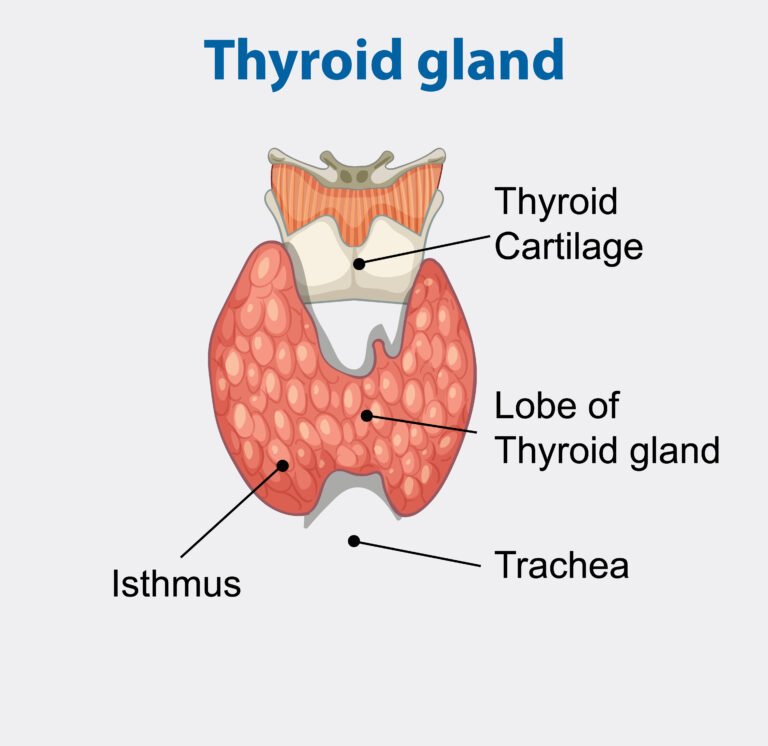
The thyroid is a butterfly-shaped gland located in the front of the neck. It produces two primary hormones, thyroxine (T4) and triiodothyronine (T3), which regulate the metabolic rate of cells. T4, a precursor hormone, is converted into T3, the active hormone that influences almost every cell in the body.
Hyperthyroidism testing is commonly used to measure thyroid hormone levels and identify overactive thyroid conditions. Additionally, hyperthyroidism testing may help patients receive early treatment and ongoing thyroid health support.
- Thyroxine (T4): Contains four iodine atoms and is released into the bloodstream, primarily as an inactive form.
- Triiodothyronine (T3): Contains three iodine atoms and is the more active form, impacting the cellular activity rate.
When functioning correctly, the thyroid maintains a balanced hormone level. However, abnormalities in thyroid activity lead to either hyperthyroidism (overactive thyroid) or hypothyroidism (underactive thyroid).
Types of Thyroid Disorders
- Hyperthyroidism: Occurs when the thyroid is overactive, producing excessive thyroid hormones. This speeds up bodily processes, leading to symptoms such as weight loss, anxiety, and increased heart rate.
- Hypothyroidism: The opposite condition, where the thyroid produces insufficient hormones, causing a slowdown in bodily functions. Symptoms include weight gain, fatigue, and depression.Healthcare professionals often recommend hyperthyroidism testing for patients with fatigue, anxiety, rapid heartbeat, or unexplained weight loss. Furthermore, regular hyperthyroidism testing may help monitor treatment progress and hormone balance.
Recognizing Symptoms of Thyroid Imbalance
Symptoms of Hyperthyroidism:
- Rapid heartbeat
- Weight loss despite increased appetite
- Feeling overly warm, excessive sweating
- Restlessness, irritability, and anxiety
- Difficulty sleeping (insomnia)
- Thinning hair
- Digestive changes (e.g., diarrhea)
Symptoms of Hypothyroidism:
- Constant fatigue, sluggishness
- Unexplained weight gain
- Feeling cold frequently
- Dry skin and hair loss
- Depression and mood swings
- Digestive issues, particularly constipation
- High cholesterol levels
Since these symptoms overlap with other conditions, confirming thyroid imbalances through a blood test can provide clarity.
The Importance of Thyroid Testing
Blood tests for thyroid function measure levels of TSH (Thyroid Stimulating Hormone), T3, and T4. Here’s what each test generally indicates:
- TSH Test: Higher-than-normal TSH may indicate hypothyroidism, as the pituitary gland releases more TSH to stimulate the underactive thyroid. Conversely, lower TSH suggests hyperthyroidism.
- T3 and T4 Tests: Abnormal levels can directly point to thyroid dysfunction. High T3/T4 levels indicate hyperthyroidism, while low levels may confirm hypothyroidism.Routine hyperthyroidism testing may help detect thyroid conditions before symptoms become severe. Therefore, many patients use hyperthyroidism testing as part of preventive healthcare and wellness monitoring.
Benefits of Early Detection
Early detection and treatment of thyroid disorders can prevent complications such as heart disease, osteoporosis, and metabolic issues. Routine testing is especially valuable for individuals with a family history of thyroid disorders or autoimmune conditions.
Treatment Options for Thyroid Disorders
For Hypothyroidism: Typically managed with synthetic thyroid hormone replacement (levothyroxine), which supplements low hormone levels, relieving symptoms and normalizing metabolic functions.
For Hyperthyroidism: Treatment may involve medication to reduce hormone production or radioactive iodine therapy to shrink the thyroid. In more severe cases, surgery may be necessary to remove part of the thyroid gland.
When Should You Get Tested?
Consider thyroid testing if you experience several of the symptoms mentioned, particularly if they persist over time. Testing is also advisable if you have a family history of thyroid conditions or other risk factors like pregnancy, as thyroid imbalances can affect both maternal and fetal health.
Conclusion
Understanding thyroid health and being proactive about testing can help you take charge of your well-being. Testing provides valuable insights, and with available treatments, most thyroid conditions are manageable, allowing individuals to lead balanced and healthy lives.