Search Your Test


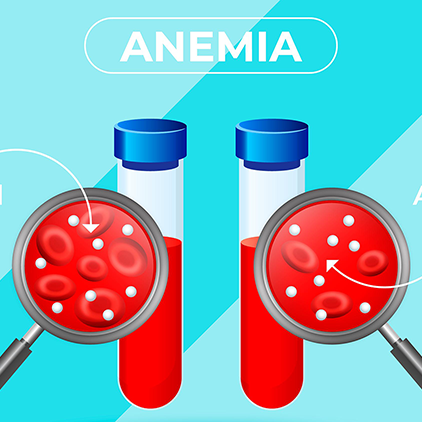
Understanding Anemia and What This Condition
Actually Means for the Body
Anemia is a condition that affects the body’s ability to carry oxygen efficiently. When haemoglobin levels fall or when ferritin stores drop, the blood becomes less effective at delivering oxygen to the tissues that rely on it. This lack of oxygen is what creates the tiredness, breathlessness and general unwell feeling that so many people report long
before they even know they have anemia.
The condition affects everyone differently. Some people notice a gradual loss of energy, while others begin to struggle with concentration or find themselves getting breathless after minimal activity. When the body is short of oxygen, it prioritises organs such as the brain and heart, which leaves the muscles and other tissues with less. This is why even simple movements start feeling harder. Understanding what anemia means helps people appreciate why early attention is essential, especially when symptoms have been present for several weeks.
Why Anemia Happens and the Key Causes Behind Low Haemoglobin and Low Ferritin
Anemia develops for different reasons, and finding the underlying cause is central to correct treatment. Iron-deficiency anemia is the most common form. When the body does not have adequate iron, ferritin becomes low, and haemoglobin production reduces. This may happen due to heavy menstrual periods, poor dietary intake, pregnancy,
digestive disorders that affect absorption or chronic, unnoticed blood loss from the gut. Iron deficiency usually develops slowly, which is why people often adapt to symptoms without realising how much their health has changed.
Other causes include vitamin B12 or folate deficiency, long-term illnesses that affect red blood cell production, inherited conditions and chronic inflammation. Certain kidney problems can also lead to reduced haemoglobin because the hormone that stimulates red blood cell production becomes limited.
Recognising the Symptoms of Anemia and How the Condition Commonly Feels
Symptoms of anemia can be subtle at first and are often mistaken for stress, busy routines or poor sleep.
Most people describe an overwhelming sense of tiredness that feels heavier than normal fatigue. Tasks that once felt manageable may suddenly require more effort. Breathlessness during mild exertion, heart palpitations, dizziness, pale skin and headaches are also common. Some people develop cold hands and feet, brittle nails or hair thinning when ferritin levels fall significantly.
Emotionally, anemia can make people feel low, irritable or mentally foggy. Because these symptoms develop gradually, they can easily be overlooked or dismissed. Recognising the early signs is important because symptoms usually reflect how long the body has been
struggling with reduced oxygen supply.
How Anemia Is Diagnosed and What Tests Reveal About Iron Levels
Diagnosis begins with a full blood count. This test helps identify haemoglobin levels, the number of red blood cells and their size. If anemia is detected, ferritin is checked to understand iron stores. Further assessments may include vitamin B12, folate, thyroid function and markers of inflammation. These tests paint a clearer picture of why anemia has developed and guide treatment.
Doctors also ask about menstrual history, digestion, diet, energy levels and any long-term medical conditions. In some cases, further investigation is needed to identify internal blood loss or underlying illness. When people understand their blood results, they feel more in control of their health and more confident about treatment.
How Untreated Anemia Can Lead to Complications Over Time
While mild anemia can sometimes go unnoticed, untreated anemia can place ongoing strain on the heart and other vital organs. The heart works harder to deliver oxygen, which may lead to breathlessness or palpitations. Cognitive function can become affected over time, making tasks such as focusing, planning or remembering details more difficult. Severe or long-standing anemia can worsen existing conditions, delay recovery from illnesses and reduce overall quality of life.This is why early diagnosis and treatment matter.
Treatment Approaches That Help Correct Anemia and Improve Iron Levels Safely
Treatment depends entirely on the cause of the anemia. Iron-deficiency anemia is treated with iron supplements, usually taken for several months to rebuild ferritin stores. Intravenous iron may be recommended when oral supplements are not suitable or when levels are extremely low. Vitamin B12 or folate deficiency is treated with appropriate replacement, while anemia linked to chronic illness requires management of the underlying condition.
Dietary changes, improved absorption and lifestyle adjustments also help support recovery. Most people begin to notice improvement within weeks of starting treatment, although full recovery of ferritin takes longer. A clear explanation of treatment options helps people understand what to expect and encourages them to stay consistent with their plan.
What is anemia?
Anemia is a condition where the body does not have enough healthy red blood cells or adequate haemoglobin to carry oxygen effectively. It commonly develops due to iron deficiency, chronic illnesses or nutritional issues, and affects energy, concentration and overall wellbeing.
What causes anemia?
Anemia can be caused by low iron, heavy menstrual bleeding, pregnancy, long-term inflammation, vitamin deficiencies, chronic disease, digestive disorders or slow internal blood loss. The exact cause varies from person to person and requires proper testing.
Is anemia dangerous?
Anemia becomes dangerous when untreated because the heart and organs work harder to compensate for reduced oxygen.
Prolonged anemia can worsen existing medical conditions, affect heart function and
significantly reduce quality of life.
How is anemia diagnosed?
Anemia is diagnosed through a full blood count, ferritin testing, vitamin checks and clinical assessment. These results help determine whether the anemia is due to reduced production, increased loss or nutritional deficiencies.
What happens if anemia is untreated?
If anemia is untreated, the body becomes progressively strained. Symptoms worsen,
heart workload increases and cognitive function may decline.
Long-term untreated anemia can lead to complications, especially in people with existing health conditions.
How does anemia feel?
Anemia often feels like a heavy, persistent tiredness. People may experience breathlessness, palpitations, dizziness, pale skin and reduced concentration. These symptoms reflect the body’s reduced oxygen supply.
If you’ve been feeling unusually tired or low in energy, an anemia blood test can give you clear answers.
London Medic Lab offers quick appointments and fast, reliable results.
You can book your anemia test easily on our website.