Search Your Test


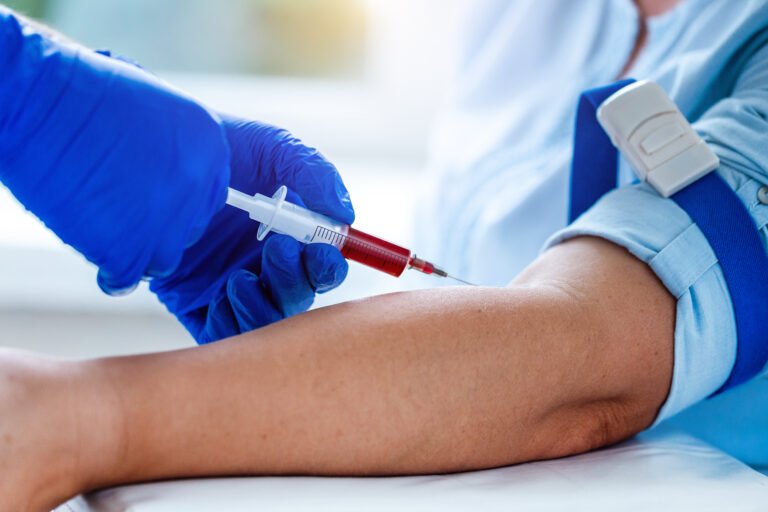
Why Blood Tests Are Essential in Diabetes Care
Diabetes isn’t just about avoiding sugar or checking your glucose once in a while. It’s a complex condition that affects your entire body, and blood tests are the only reliable way to truly understand what’s going on inside.
Whether you’re checking if you might have diabetes, or you’re managing it day-to-day, knowing which blood tests are involved — and what they mean — gives you clarity, control, and confidence in your healthcare journey.
Let’s break down all the blood tests for diabetes, starting from diagnosis to long-term monitoring and complication screening.
Diagnostic Blood Tests for Diabetes
These tests are used when diabetes is suspected — either because of symptoms, family history, or routine screening.
Fasting Blood Sugar (FBS)
What it checks: Your blood glucose level after fasting for 8–12 hours.
Why it matters: High fasting glucose can be an early sign of prediabetes or diabetes.
Normal Range:
Normal: Less than 100 mg/dL (5.6 mmol/L)
Prediabetes: 100–125 mg/dL
Diabetes: 126 mg/dL or higher (on two occasions)
Oral Glucose Tolerance Test (OGTT)
What it checks: How your body handles sugar over time — involves fasting, drinking a glucose solution, and checking blood sugar at 1 and 2 hours.
Why it matters: It’s especially helpful in diagnosing gestational diabetes and catching diabetes in the early stages.
Normal Range (2 hours after drink):
Normal: Less than 140 mg/dL
Prediabetes: 140–199 mg/dL
Diabetes: 200 mg/dL or more
Random Blood Sugar (RBS)
What it checks: Your blood sugar at any time of the day, regardless of when you last ate.
Why it matters: If very high (≥200 mg/dL) along with symptoms like thirst, fatigue, and frequent urination — it can signal diabetes.
HbA1c (Glycated Hemoglobin)
What it checks: Your average blood sugar over the past 2–3 months.
Why it matters: It’s a gold-standard test for both diagnosing and monitoring diabetes.
Normal Range:
Normal: Below 5.7%
Prediabetes: 5.7% – 6.4%
Diabetes: 6.5% or higher
Blood Tests for Monitoring Diabetes
Once diagnosed, regular blood tests are crucial to track how well your diabetes is controlled, prevent complications, and adjust treatment as needed.
HbA1c (Repeated Every 3–6 Months)
Purpose: Monitor long-term control.
Target in most diabetics: Below 7% (individualized by doctor)
Fasting and Postprandial Blood Glucose
Fasting: Taken in the morning before eating.
Postprandial (PP): Taken 2 hours after a meal.
Why it’s important: Shows day-to-day control and helps adjust insulin/diet.
Targets (can vary):
Fasting: 80–130 mg/dL
PP: Less than 180 mg/dL
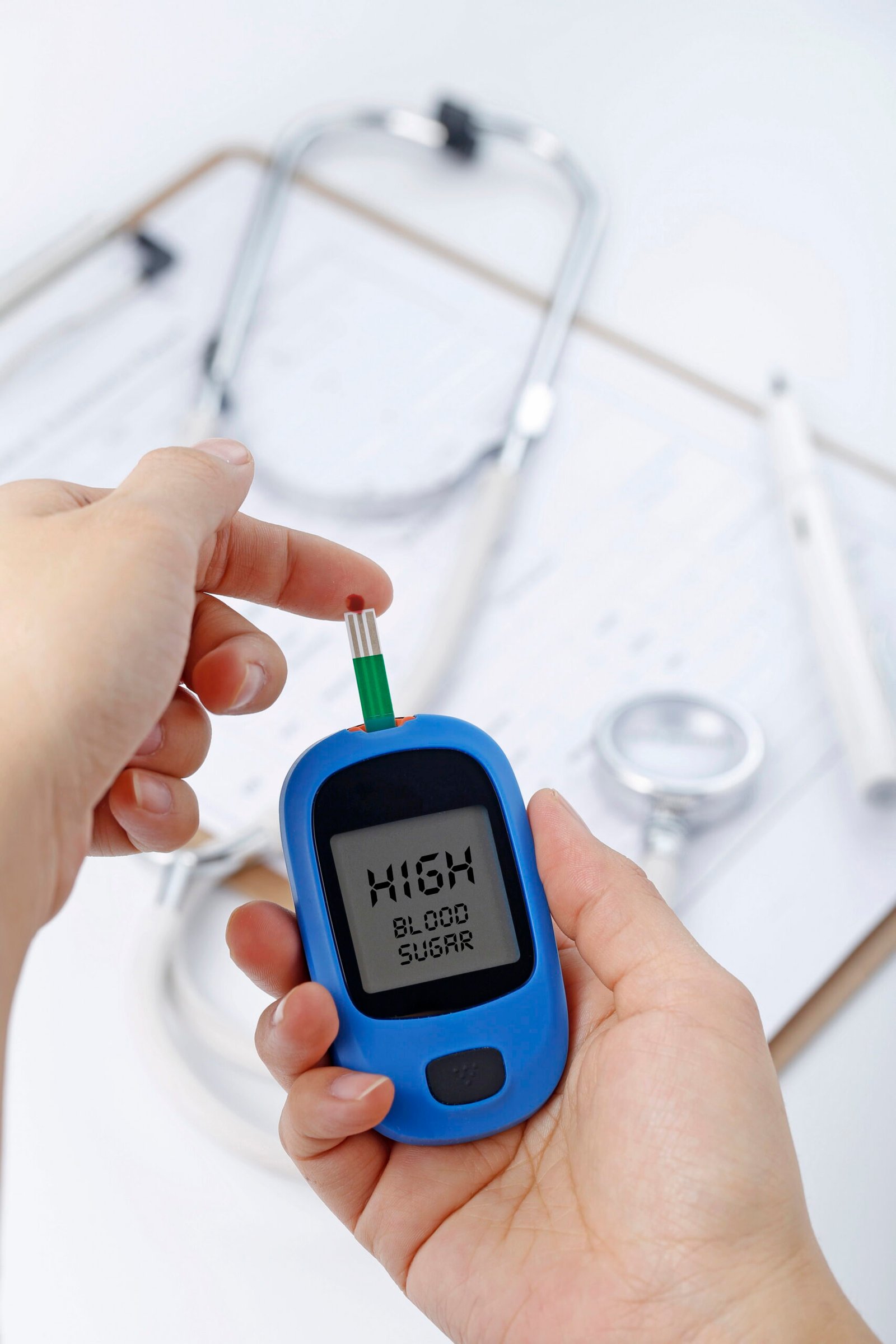
Continuous Glucose Monitoring (CGM) or Self-Monitoring (SMBG)
CGM: Tracks glucose continuously through a sensor under the skin.
SMBG: Finger-prick tests done at home.
While not traditional “lab” blood tests, these tools rely on blood glucose and are vital for real-time diabetes management.
Blood Tests to Detect Diabetes Complications
Diabetes can affect multiple organs over time. These blood tests catch issues early before they become serious.
Kidney Function Tests (Renal Panel)
Includes:
Serum Creatinine
eGFR (Estimated Glomerular Filtration Rate)
Urea or BUN (Blood Urea Nitrogen)
Why they matter: Diabetes is a leading cause of kidney damage.
How often: At least annually, or more frequently if damage is suspected.
Urine Microalbumin Test (Technically urine, but linked to blood sugar)
Purpose: Detect early kidney damage before standard blood tests show abnormalities.
Lipid Profile (Cholesterol Test)
Includes:
Total cholesterol
LDL (“bad” cholesterol)
HDL (“good” cholesterol)
Triglycerides
Why it matters: Diabetics have a higher risk of heart disease.
How often: At diagnosis, and then annually.
Liver Function Tests (LFTs)
-
Includes ALT, AST, ALP, bilirubin, albumin
-
Why it matters: Some diabetes medications impact the liver, and fatty liver disease is common in type 2 diabetes.
Blood Tests for Type Differentiation & Special Cases
C-Peptide Test
-
Purpose: Measures how much insulin your body is producing.
-
Why it’s done: To differentiate between type 1 (low insulin production) and type 2 (normal/high insulin, but insulin resistance).
Autoantibody Tests
-
GAD antibodies, Islet Cell Antibodies (ICA), Insulin Autoantibodies (IAA)
-
Why it matters: Helps confirm Type 1 Diabetes (an autoimmune condition), especially in adults with late-onset symptoms (LADA – Latent Autoimmune Diabetes in Adults).
Fructosamine Test
-
What it does: Measures blood sugar over the past 2–3 weeks.
-
Useful for: Pregnancy, anemia, or when HbA1c may not be accurate.
Ketone Testing (Blood or Urine)
-
Why it’s important: In uncontrolled diabetes or during illness, high ketones may indicate diabetic ketoacidosis (DKA) — a medical emergency.
-
Recommended for: People with Type 1 diabetes or poorly controlled Type 2.
How Often Should You Get Blood Tests for Diabetes?
| Test | How Often |
|---|---|
| HbA1c | Every 3–6 months |
| Fasting/Postprandial Glucose | Weekly or monthly (as advised) |
| Kidney Function | Yearly or more often |
| Lipid Profile | Annually |
| Liver Function | As needed, or annually |
| Autoantibody/C-peptide | Once (for diagnosis) |
| Ketones | When sick or glucose is very high |
Understanding all the blood tests for diabetes might feel overwhelming at first — but each one plays a specific role in helping you or your loved ones live a healthier, more informed life with diabetes.
-
Some tests diagnose it.
-
Some track it.
-
Some catch the silent complications early.
Together, they give you and your healthcare provider a complete picture of your health.
Need to Get Tested? Book Your Diabetes Blood Panel with London Medic Lab Today
Whether you’re looking for a diagnosis or a detailed diabetes monitoring plan, we’re here to help.
🩺 Book online now or speak to our team to customise your test package.
Take control of your blood sugar — with support, science, and care.