Search Your Test



Understanding Your Blood Test Results: A Step-by-Step Guide
Understanding blood test results can help you learn more about your overall health and identify possible medical concerns early. This simple guide explains common blood markers, normal ranges, and what abnormal blood test results may mean.
Understanding blood test results can help you monitor your health and detect medical concerns early.
Why Understanding Blood Test Results Is Important
Understanding blood test results is important because they help patients detect health concerns early. Furthermore, blood test markers and medical ranges provide useful insights into overall health and wellness.
What Information Do Blood Tests Provide?
Blood tests reveal a wealth of information, including:
- General health indicators: Red and white blood cell counts, hemoglobin levels, and platelets.
- Organ function: Kidney, liver, and heart performance.
- Nutritional deficiencies: Levels of vitamins, minerals, and iron.
- Cholesterol and lipid profile: Indicators of cardiovascular health.
- Hormonal levels: Thyroid function, reproductive hormones, and more.
Understanding these elements can help you make informed decisions about your health and lifestyle.
How to Read and Understanding Blood Test Results
Understanding blood test results may seem confusing at first. However, learning about common blood markers and reference ranges can help you better understand your health reports.
Understanding Blood Test Results for CBC
A Complete Blood Count (CBC) measures red blood cells, white blood cells, hemoglobin, and platelets. Additionally, these markers help evaluate immune health, oxygen levels, and possible infections.
- Red Blood Cells (RBC): Indicates oxygen transport. Low RBC could mean anemia, while high levels might suggest dehydration or other conditions.
- White Blood Cells (WBC): Reflects immune system health. High WBC counts may indicate infections or inflammation.
- Hemoglobin and Hematocrit: Relates to red blood cell health and oxygen-carrying capacity.
- Platelets: Essential for clotting. Abnormal levels may point to clotting disorders or underlying health issues.
Basic Metabolic Panel (BMP)
This test evaluates:
- Electrolytes: Sodium, potassium, and chloride levels for hydration and kidney function.
- Glucose: Blood sugar levels, important for diagnosing diabetes.
- Kidney Function: Blood urea nitrogen (BUN) and creatinine levels.
Lipid Profile
Key metrics include:
- Total Cholesterol: Should generally be under 200 mg/dL.
- LDL (Low-Density Lipoprotein): Often called “bad cholesterol,” high levels increase heart disease risk.
- HDL (High-Density Lipoprotein): “Good cholesterol” that helps remove LDL from the bloodstream.
- Triglycerides: High levels may indicate excessive calorie consumption or diabetes risk.
Understanding Blood Test Results for Thyroid Health
Thyroid blood tests measure hormones such as TSH, T3, and T4. Additionally, abnormal thyroid results may indicate hypothyroidism or hyperthyroidism.
Understanding Blood Test Results for Diabetes Markers
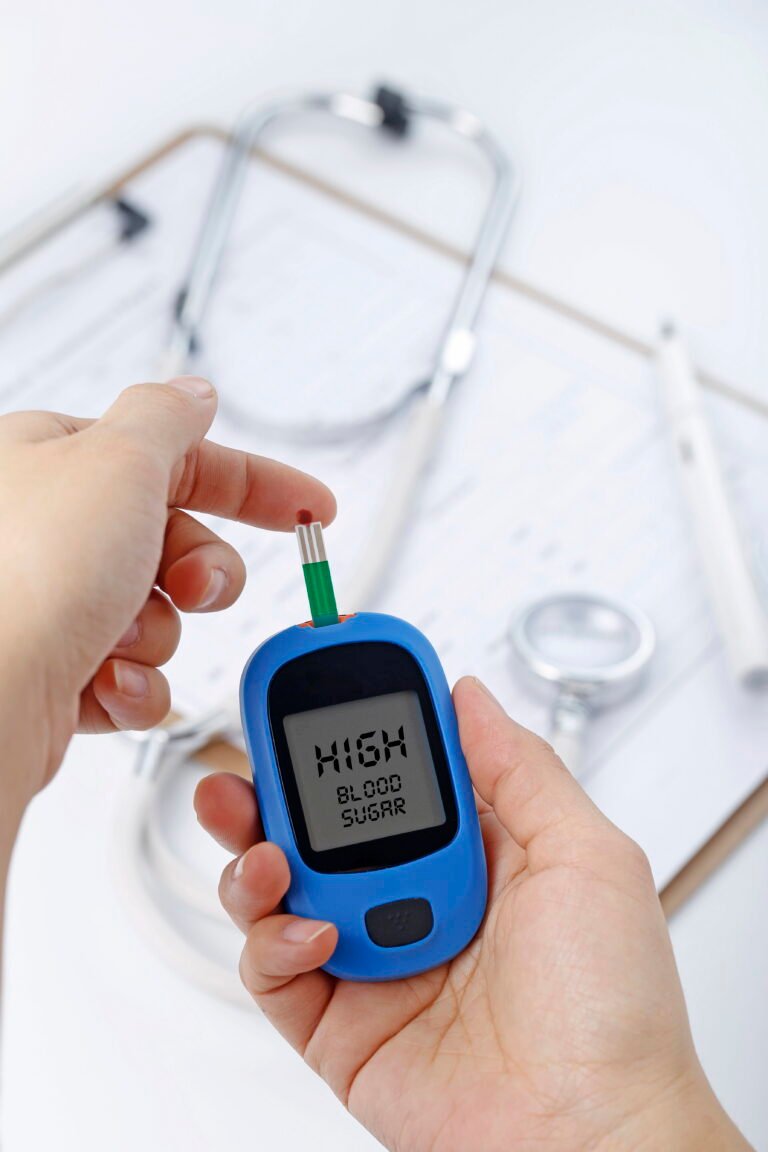
Diabetes blood tests evaluate glucose and HbA1c levels. Therefore, understanding blood test results for diabetes markers can help detect blood sugar imbalance early.
Inflammatory Markers
Tests like C-reactive protein (CRP) and erythrocyte sedimentation rate (ESR) detect inflammation, which may signal infections, autoimmune conditions, or chronic diseases.
Tips for Interpreting Your Results
Compare Against Reference Ranges: Most reports include a reference range for each marker. Values outside the range may require further investigation.
Consult a Healthcare Professional: Always discuss your results with your doctor to understand their implications fully.
Track Changes Over Time: Monitoring trends in your results can help identify patterns or changes in your health.
Ask Questions: If anything is unclear, ask your doctor for clarification or additional testing if necessary.
Common Questions About Blood Test Results
What Do Abnormal Results Mean?
Abnormal results don’t always indicate a severe issue. Factors like diet, hydration, and medications can influence results. Your doctor will assess these factors before diagnosing.
How Often Should You Get Blood Tests?
For most individuals, annual blood tests are sufficient. Those with chronic conditions or on specific medications may require more frequent testing.
Can You Prepare for a Blood Test?
Yes. Follow these steps:
- Fasting: If required, avoid eating or drinking (except water) for 8-12 hours before the test.
- Medication Disclosure: Inform your doctor about any medications or supplements you’re taking.
- Hydration: Stay well-hydrated to make the blood draw easier.
Understanding Blood Test Results for Common Health Markers
Understanding blood test results can help patients identify vitamin deficiencies, hormone imbalance, diabetes markers, and other health concerns early. Additionally, regular blood testing supports better health monitoring and preventive care.
Being informed about your blood test results helps you:
- Monitor Health Trends: Spot early signs of potential issues.
- Make Lifestyle Changes: Adjust diet, exercise, or habits based on results.
- Communicate Effectively: Collaborate with your healthcare provider for better outcomes.
Blood tests are a powerful tool for maintaining and improving your health. By understanding the basics of your results, you can take a proactive approach to well-being. Remember, regular testing and open communication with your healthcare provider are key to staying on top of your health.
FAQs
What do blood test results show?
Blood test results can show important information about your health.
Why are blood tests important?
Blood tests help detect health problems early and support preventive healthcare.
What do abnormal blood test results mean
Abnormal results may show changes in vitamin levels, hormones, or blood sugar.
Can blood tests detect health conditions early
Yes. Blood tests can help identify health concerns before symptoms become serious.
Should I speak to a healthcare professional about my results?
Yes. A healthcare professional can explain your blood test results clearly.
Conclusion
Finally, understanding blood test results can support preventive healthcare and help patients make informed medical decisions.
Contact Us
Need help with your blood test or appointment? London Medic Lab provides fast, professional, and confidential private blood testing services across London.
Additionally, our team can help with same-day blood tests, hormone testing, diabetes screening, and full health checks. Please contact us for support, booking information, or test-related questions.